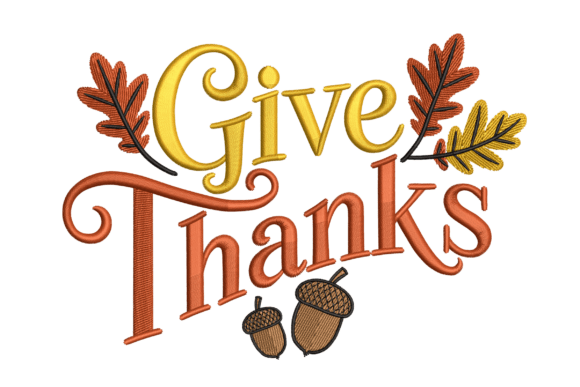
A Designer's Take on Give Thanks Autumn
When I first opened the Give Thanks Autumn machine embroidery design, I was curious how the script, leaves, and acorns would balance on real fabric. As someone who has tested hundreds of embroidery files for custom apparel and handmade products, I have learned that a design can look beautiful on screen but fail in the hoop. This one caught my attention because the layout felt open enough for stitching clarity, yet detailed enough to carry a seasonal statement. After stitching it out on a few different blanks, I want to share what works, what needs attention, and where this design shines for crafters, small shop owners, and Etsy sellers.
First Look: Mood and Visual Personality
Give Thanks Autumn carries a warm, traditional feel without being stiff. The script lettering for "Give Thanks" is the focal point, and the leaves and acorns frame it in a way that feels collected rather than cluttered. I appreciate that the design does not rely on extreme density to create impact. The leaves use a mix of fill and satin stitching that gives them texture, while the acorns stay simple enough to read clearly even at a moderate hoop size. This design naturally belongs on Thanksgiving decor, seasonal table linens, and boutique-quality gifts. But I also see it working on tote bag designs, sweatshirt embroidery, and kitchen towels for craft business inventory. The mood is grateful and grounded, which fits both personal projects and commercial embroidery orders.
If you are a creative entrepreneur looking to build a small collection of fall-themed design assets, this embroidery file gives you a versatile base. The shape is compact enough to center on a pillow cover or apron, but not so small that it gets lost on a blanket or throw. For handmade product sellers, that flexibility matters. You can use it across multiple items without the design feeling out of scale.
How It Performs in Real Stitching
I tested Give Thanks Autumn on a medium-weight cotton twill tote bag, a poly-cotton blend sweatshirt, and a linen kitchen towel. On the tote bag, the script stitched cleanly with no pull or distortion. The leaves held their shape well, and the acorn details stayed crisp. The stitch density felt appropriate for a design this size. I did not notice any areas where the fill stitching overwhelmed the fabric or caused puckering. That is a good sign for anyone planning to stitch this on custom apparel or boutique merchandise.
On the sweatshirt, I used a medium weight cutaway stabilizer and a standard 40-weight thread. The design handled the slight stretch of the fabric without issue. The lettering remained legible, and the decorative elements did not distort. For sweatshirt embroidery, this is a reliable choice. The design sits well on the left chest area or centered on the back yoke. If you are an apparel decorator or small shop owner, this file gives you a clean finish that customers notice.
On the linen kitchen towel, I used a water-soluble stabilizer on top. The design stitched out with good registration. The leaves and acorns did not lose detail even on the textured weave. For holiday embroidery on home goods, this is a strong option. I can imagine an Etsy seller listing a set of towels with this design and getting positive feedback on the clarity.
Where to Use This Design Carefully
Not every fabric or product is a perfect match. I found that Give Thanks Autumn needs careful placement on very small hoop sizes or tiny finished products. If you are stitching a baby bib or a miniature patch, the script may become too small to read comfortably. The detail in the leaves and acorns also benefits from a hoop size that gives them room to breathe. I recommend checking the design against your actual hoop before committing to a production run.
On stretchy fabrics like lightweight knit t-shirts, use a stabilizer with enough body to prevent the fill stitches from pulling the fabric. I tested it on a thin jersey, and the lettering stayed straight only because I added a layer of tear-away stabilizer underneath. Without that, the script might distort slightly. For custom apparel made with thin or drapey material, plan your stabilizer carefully.
Dark fabric also requires attention. The design uses multiple thread colors typical of a fall palette. If you stitch it on a black or very dark background, the contrast will shift. The lighter leaf colors may pop nicely, but the acorn details could blend in. I suggest doing a quick test on a dark scrap before stitching a finished product. For commercial embroidery projects where consistency matters, that test saves time and material.
Curved surfaces like caps or the side of a tote bag can also challenge this design. The script is straight, so it works best on flat or gently curved areas. If you are adding it to a cap, place it on the front panel rather than a curved side. The design does not include applique elements, which keeps the stitch count manageable, but it also means the design relies entirely on thread color and density for impact. On a curved surface, the fill areas may shift slightly if the hoop does not hold the fabric firmly.
Visual Appeal and Product Value
When I show a finished product using Give Thanks Autumn to customers, the reaction is usually immediate. The phrase "Give Thanks" carries strong emotional weight, and the fall leaves and acorns reinforce the seasonal theme without being overly busy. For a handmade product, that balance is key. The design elevates a simple tote bag or pillow cover into a giftable item. I have seen similar designs sell well at craft fairs and on Etsy, especially when paired with neutral or earth-toned fabric.
From a brand consistency perspective, this design works for shops that focus on seasonal decor and personalized gifts. If you offer personalized gifts like embroidered towels, blankets, or aprons, this file integrates naturally. You can add a name or monogram above or below the design if your digitizing software allows it. The layout gives you room to customize without overcrowding.
Customers trust products that look well-stitched and thoughtful. A design that stitches cleanly and reads clearly from a distance builds that trust. Give Thanks Autumn does not try to do too much. It stays confident in its composition, which makes the finished product feel professional rather than amateur. For Etsy sellers and small shop owners, that professionalism translates into better reviews and repeat buyers.
Practical Designer Notes Before You Stitch
Before you use Give Thanks Autumn for a client project or your own inventory, take a few steps to confirm it fits your workflow. Test the design on scrap fabric first. I always do a quick stitch-out on muslin or a similar mid-weight fabric to check registration, thread tension, and color order. Even if the design looks perfect on screen, a test run reveals any issues with stitch density or trim points.
Check your thread color contrast against the fabric you plan to use. The fall colors in this design work well with cream, tan, rust, olive, and warm brown backgrounds. If you are stitching on a bright or patterned fabric, the leaves and acorns may not stand out as intended. A simple black and white mockup of the design can help you see the value structure before you commit to thread colors.
Confirm your hoop size. This design will fit comfortably in a mid-size hoop, but if you are using a small hoop for a patch or mini project, verify the dimensions first. The script and decorative elements need enough room to keep their proportions. For embroidered patches, I would recommend a slightly larger patch blank to accommodate the full layout.
Use the correct stabilizer. For woven fabrics, a medium weight cutaway stabilizer works well. For knits or stretchy fabrics, use a cutaway with some extra body. For towels or terry cloth, a water-soluble topper will prevent the stitches from sinking into the fabric texture. The design does not have excessive fill stitch areas, but the script and leaves still need a stable base to stay sharp.
Check the licensing before you sell finished items or digital products. Many digital embroidery file designers allow commercial use of finished products, but restrictions vary. If you plan to sell items with this design, confirm whether the license covers your intended use. For commercial embroidery shops, that step protects you and your clients.
I also recommend inspecting the small details. The acorns and leaf veins are delicate. If your machine tends to skip small elements, you may need to slow down the stitch speed or use a sharp needle. The design is not overly dense, but the satin stitch areas require clean thread delivery.
Final Thoughts for Makers and Sellers
Give Thanks Autumn is a solid addition to any fall embroidery lineup. It performs well on common blanks like tote bags, sweatshirts, pillow covers, and table linens. It communicates gratitude and seasonal warmth without needing extra ornamentation. For a craft business, handmade product line, or personal gift project, this design delivers consistent results.
I would use it again for a small batch of custom towels or a set of holiday placemats. I would also recommend it to an Etsy seller looking for a reliable fall design that stitches cleanly and appeals to customers who appreciate traditional autumn aesthetics. The script is readable, the decorative elements are balanced, and the overall mood fits both casual and dressed-up products.
Before you buy, double-check the embroidery file format, the exact measurements, and the stitch count if those details are listed. If they are not, reach out to the designer or do a test stitch-out to confirm the design matches your expectations. For anyone serious about producing quality personalized gifts or custom apparel, that small effort makes a big difference in the final product.
Whether you are stitching for yourself, a client, or your online shop, Give Thanks Autumn gives you a dependable fall design that looks stitched-in rather than slapped on. That is the kind of design asset that builds a reputation for quality work.