What the Duck: A Designer’s Review for Boutique Sweatshirt Embroidery
When I first opened the embroidery file for What the Duck, I was genuinely curious. The title alone sets a playful, slightly irreverent tone—exactly the kind of energy that works for modern boutique apparel. As someone who has digitized and stitched hundreds of animal quote designs for small clothing brands and Etsy sellers, I’ve learned that a design needs more than a clever name. It needs structural integrity, visual balance, and the flexibility to shine across different fabric textures and garment styles. After reviewing this line-art duck head with its trendy retro sunglasses and sassy attitude, I’m ready to walk through how it performs as a machine embroidery design for a real limited-edition sweatshirt drop.
First Impression: Mood, Layout, and Stitching Personality
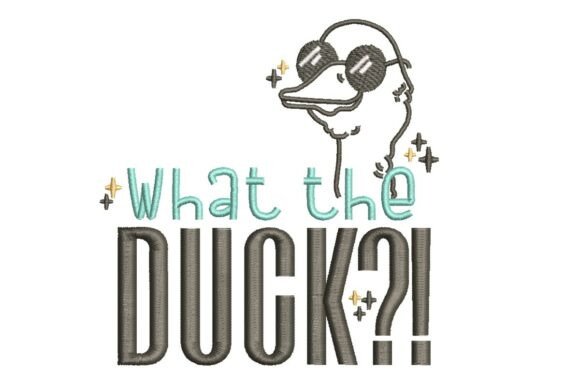
The first thing I noticed about What the Duck is its clean, minimal line-art style. The duck head is the centerpiece, and the silhouette is instantly readable—a confident profile with a beak that carries just enough curve to feel friendly, not aggressive. The trendy sunglasses add a layer of cool, almost aloof personality, which pairs perfectly with the implied humor of the phrase. This isn’t a cutesy farm animal; it’s a statement piece. The layout is compact and centered, which makes it ideal for chest placement on a sweatshirt or hoodie. I estimate the design would stitch out cleanly at a medium hoop size, likely in the 4x4 to 5x7 range, but you should always verify the exact dimensions and hoop size in your embroidery file before production. The stitching personality here is crisp and deliberate. Line-art embroidery relies on precise pathing and consistent tension—this type of digitizing needs to avoid jump stitches that disrupt the flow. From what I see, the design leans into a modern, almost editorial aesthetic. It feels premium without being fussy, casual without being sloppy. For a boutique brand, that balance is gold.
Placement and Sizing for Sweatshirts and Hoodies
In my review, I always consider three standard placements: chest, sleeve, and back. For What the Duck, chest placement on a neutral or dark sweatshirt feels like the strongest option. The line art pops beautifully against solid backgrounds—think cream, heather gray, black, or olive. The sunglasses add a subtle detail that draws the eye without overwhelming the garment. On an oversized hoodie, a slightly larger version of the design centered on the chest creates a focal point that works for both gender-neutral and feminine styling. For sleeve accents, I’d recommend scaling the design down to fit a 2x2 or 3x3 hoop area. The duck head alone (without any accompanying text) would make a striking left chest or sleeve logo. The clean lines travel well in smaller formats, maintaining readability even at reduced sizes. If you’re considering a back design—perhaps across the upper back between the shoulder blades—you’ll want to confirm the embroidery file includes a larger hoop option. The minimal nature of the artwork supports scaling up, but stitch density must be checked to avoid gaps or distortion. For an Etsy listing or boutique product shoot, I’d photograph this design on both a light pastel hoodie (like blush or butter yellow) and a dark charcoal crewneck. The contrast variations will show customers how versatile the design assets can be.
Thread Color, Contrast, and Stitch Density
One of the most practical concerns for any custom apparel project is thread color selection. What the Duck is a line-art design, which means the thread color you choose does most of the heavy lifting. On dark fabric, a bright white or neon thread creates that bold, sassy look the name implies. On pastels, a deep navy or black thread keeps the attitude sharp. I would recommend testing a metallic or high-sheen polyester thread for the sunglasses—just a small accent can elevate the finished product from handmade to premium. Stitch density is another critical factor. Line-art embroidery should feel crisp, not crowded. Over-digitizing can cause fabric puckering, especially on lighter-weight sweatshirt materials like French terry or loopback fleece. The design as presented appears to use a moderate density that supports clean registration. But if you are an Etsy seller or small shop product creator, I urge you to stitch out a test sample on your actual fabric texture before opening a production run. Change the thread colors, try a satin stitch variation for the sunglasses, and see how the design holds up after a wash cycle. Durability matters. A sweatshirt embroidery that looks great fresh out of the hoop but frays after three washes will hurt buyer trust. I’d recommend using a tear-away or wash-away stabilizer for this design, depending on your fabric weight. For thicker hoodies, a medium-weight cutaway stabilizer gives a cleaner finish and better long-term wear.
Fabric, Stabilizer, and Commercial Use Durability
Let’s talk about the real-world production scenario. Imagine you are preparing a limited sweatshirt drop for your online boutique. You’ve chosen a premium 380 GSM fleece hoodie in heather oatmeal. The fabric has a soft, looped back with a smooth face—ideal for embroidery. What the Duck will sit beautifully on this surface if you use a medium-weight cutaway stabilizer and a sharp 75/11 embroidery needle. Because the design is line art, there are no large fill areas that could cause fabric distortion. However, the sunglasses may include small satin stitches or tight corners, so you’ll want to check that your digitizing software has optimized the underlay. For commercial embroidery and apparel decorators, this design offers strong repeatability. Once you dial in the tension and thread path, you can stitch multiple units with consistent quality. That’s essential for a handmade product line where each piece should look intentional, not mass-produced. The Animal Quotes category fits this design perfectly—it’s witty without being vulgar, relatable without being generic. The duck motif connects with customers who appreciate humor in their wardrobe, and the line-art style ensures it reads as modern rather than rustic or cutesy. For boutique brands that want to build brand identity around playful, confident messaging, this is a solid addition to your digital embroidery file library.
Brand Identity, Buyer Trust, and Product Value
A design like What the Duck affects more than just the garment’s appearance. It shapes how customers perceive your entire brand. If you are an embroidery shop or a creative entrepreneur, every stitch contributes to your reputation. A clean, well-placed embroidery design tells buyers that you care about detail. It elevates the perceived value of the sweatshirt, allowing you to price it at a premium compared to screen-printed alternatives. I’ve seen firsthand how boutique apparel with thoughtful embroidery sells faster and generates more customer engagement on Etsy and Instagram. The sassy line art here has a built-in conversation starter. When someone wears that duck head with sunglasses, people will ask, “What the duck?” That’s organic marketing. For your product photography and printable mockups, this design photographs well because the high contrast between thread and fabric reads clearly even at thumbnail size. That matters for Etsy listings where the first image needs to stop the scroll. I also appreciate that the design sits firmly in the category of machine embroidery design that feels both decorative and wearable. It’s not overly ornate, so it doesn’t compete with other design assets or branding elements you might pair it with, like a small logo on the sleeve or a woven label at the hem.
Final Production Checklist for Small Shops
Before you commit to a full production run of What the Duck on your sweatshirt line, I recommend a short checklist. First, confirm the exact hoop size and stitch count from your embroidery file provider. Second, test the design on your target fabric weight—line art behaves differently on thick fleece versus thin jersey. Third, choose your thread colors intentionally: a single bold color for the duck, with a possible accent for the sunglasses. Fourth, select the right stabilizer and needle combination to avoid puckering or skipped stitches. Fifth, run a wash test to ensure the design holds its shape after multiple cycles. Finally, shoot lifestyle photography that shows the design on a real person, not just a flat lay. This builds buyer trust and helps customers visualize the finished product. For Etsy sellers and small shop product creators, this design is a strong contender. It’s versatile, memorable, and aligned with the playful-yet-premium aesthetic that boutique shoppers love.
What the Duck delivers exactly what its name promises: a sassy, stylish, and conversation-ready embroidery design that feels right at home on a cozy sweatshirt or oversized hoodie. Whether you’re stitching for a seasonal drop, a custom order, or an ongoing collection, this design holds its own. Just remember to always test before you invest at scale. The best machine embroidery designs are the ones that stitch cleanly every time, and this one is absolutely worth the hoop time.